
Industrial Materials
Lithium
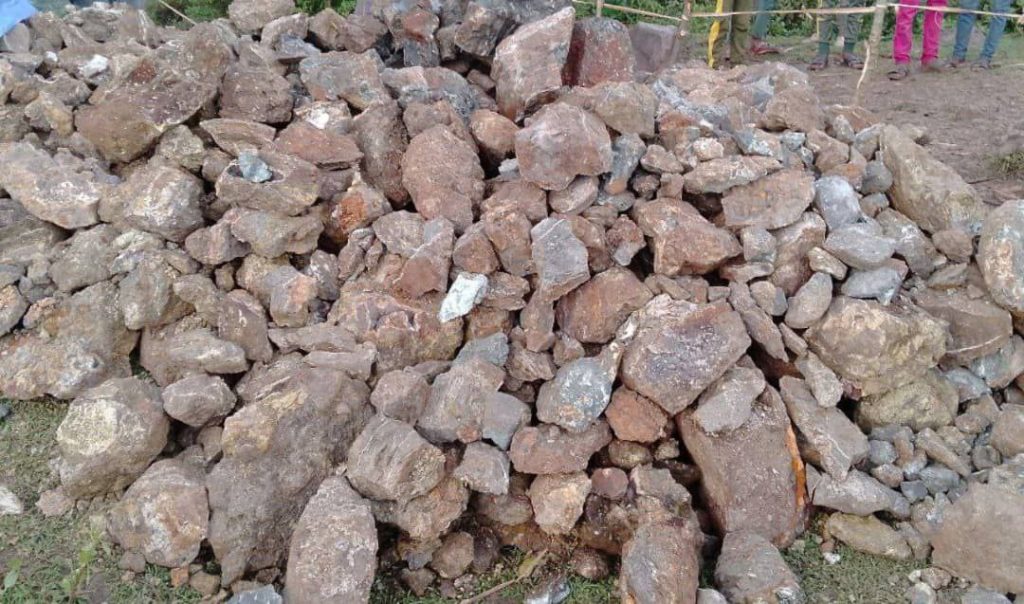
Lithium is a soft, silvery-white alkali metal known for its high reactivity. It is the lightest metal and the lightest solid element. Lithium is commonly used in rechargeable lithium-ion batteries, which power various electronic devices such as smartphones, laptops, and electric vehicles. Additionally, lithium is used in the production of ceramics, glass, and lubricants, and it has pharmaceutical applications in the treatment of certain mental health conditions.
Coal
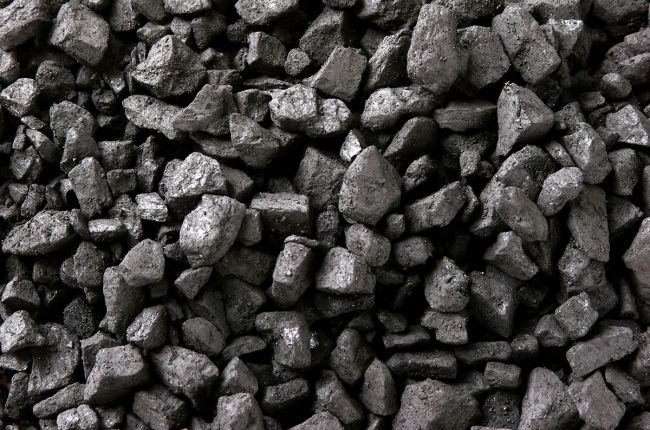
Coal is a natural, combustible sedimentary rock formed from ancient plant remains. It is primarily composed of carbon, along with small amounts of other elements such as hydrogen, oxygen, sulfur, and nitrogen. Coal is a vital source of energy and is used worldwide for electricity generation, heating, and industrial processes. Additionally, it is an essential raw material in the production of steel and cement.
Tantalum
Tantalum is a rare, hard, blue-gray, lustrous transition metal that is highly corrosion-resistant. It is part of the refractory metals group, which are widely used as minor components in alloys. Tantalum is often used in electronics, such as in capacitors and high-power resistors, due to its ability to store and release electrical energy efficiently. It is also used in the production of surgical implants and in the aerospace industry due to its high melting point and strength.

Iron
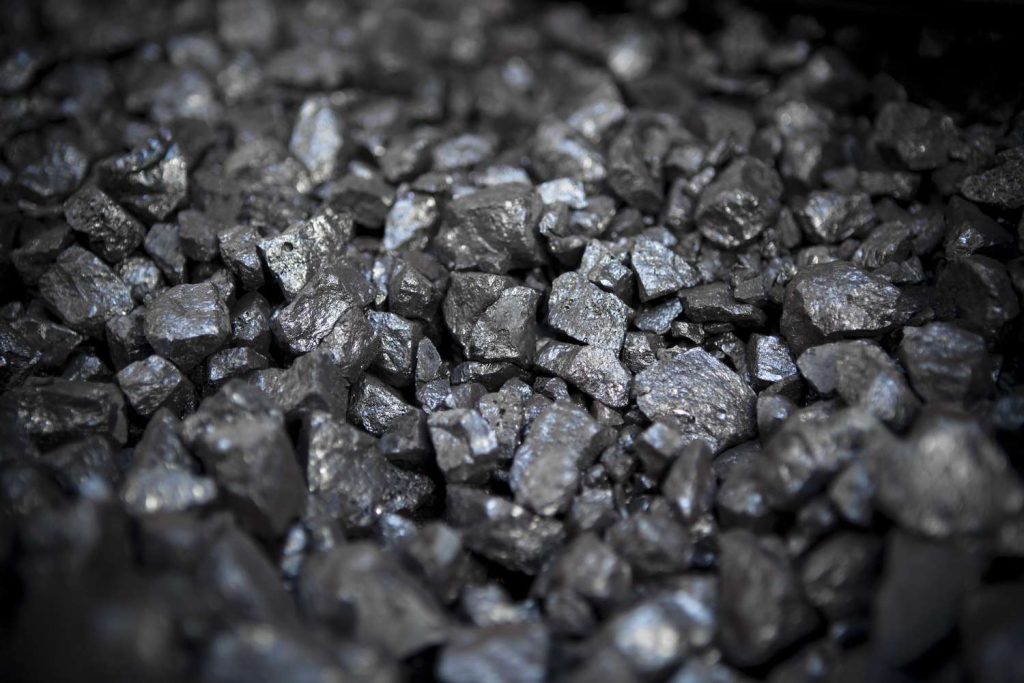
Iron is a chemical element with the symbol Fe (from Latin: ferrum) and atomic number 26. It is a metal in the first transition series. It is, by mass, the most common element on Earth, forming much of Earth's outer and inner core. It is the fourth most common element in the Earth's crust. Iron is used to make steel and a variety of other alloys, which are used in countless applications. It is also an essential trace element in the human body, necessary for transporting oxygen in the blood.
Agate
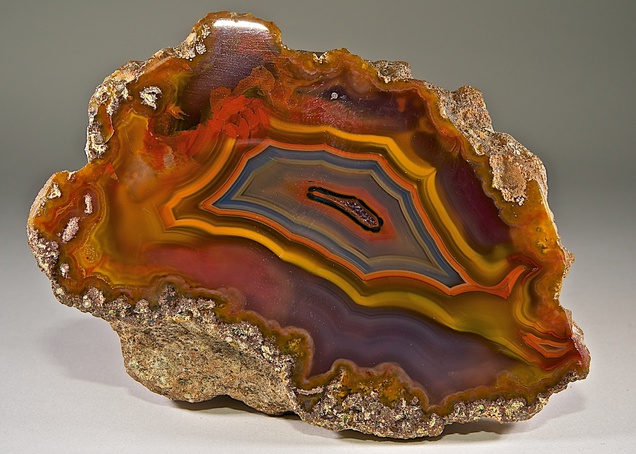
Agate is a beautifully banded form of microcrystalline quartz. With its stunning array of colors and unique banding patterns, agate is a popular choice for jewelry, decorative items, and as a healing stone. It is believed to promote inner stability, composure, and maturity. Agate is also known for its grounding and harmonizing properties, making it a sought-after gemstone for those seeking balance and strength in their lives.
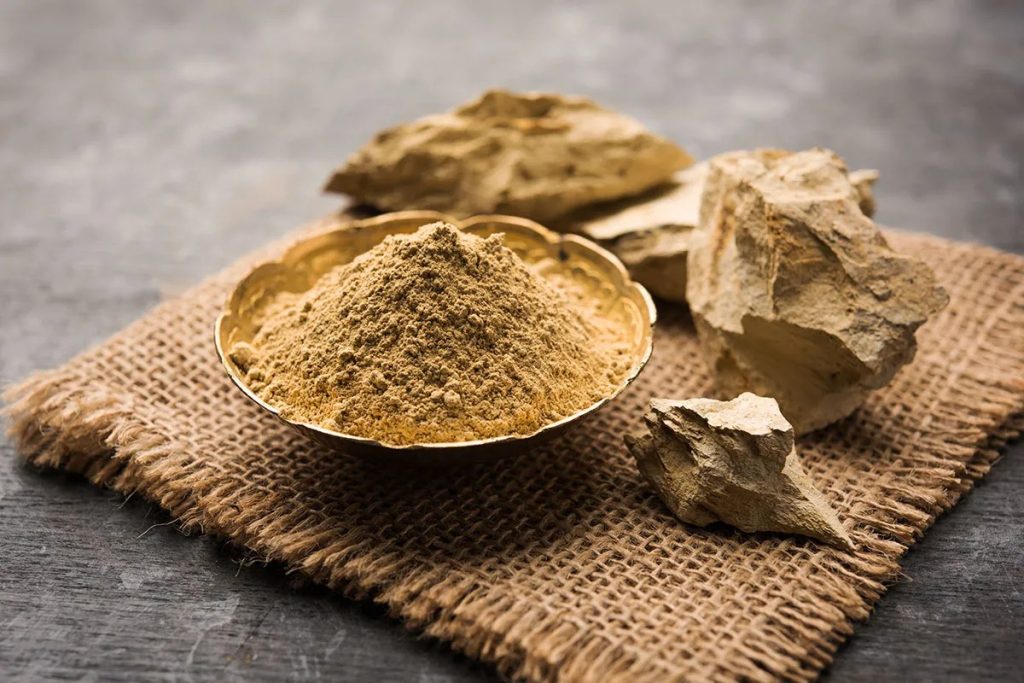
Bentonite clay
Bentonite clay is a natural clay formed from volcanic ash and has a unique composition that makes it highly absorbent and useful for various applications. Known for its ability to absorb and remove toxins, impurities, and excess oil from the skin, bentonite clay is often used in skincare products such as masks and scrubs. It is also used in various other industries, including cosmetics, pharmaceuticals, and wastewater treatment, due to its excellent absorbent properties and ability to swell when mixed with water.
Quartz
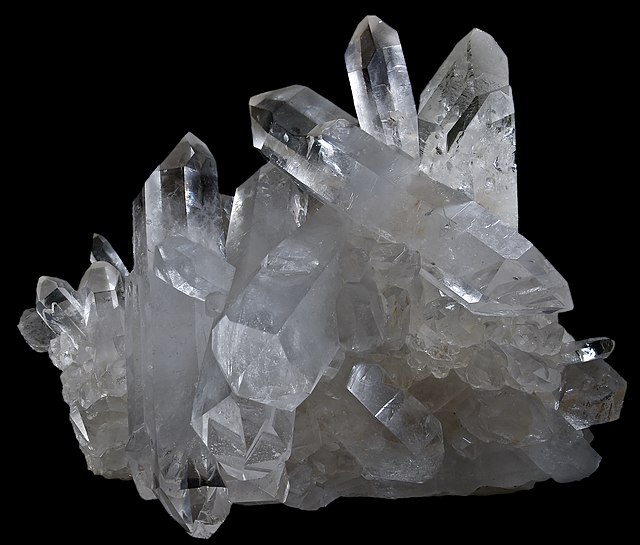
Quartz is one of the most abundant minerals on Earth and comes in a variety of colors and forms. Known for its durability and versatility, quartz is commonly used in jewelry and as a healing stone. Its clear form, known as rock crystal, is prized for its clarity and brilliance, while other varieties such as amethyst, citrine, and rose quartz display stunning colors and unique properties. Whether used for its beauty or its metaphysical properties, quartz is a timeless and popular choice in the world of gemstones.
Obsidian
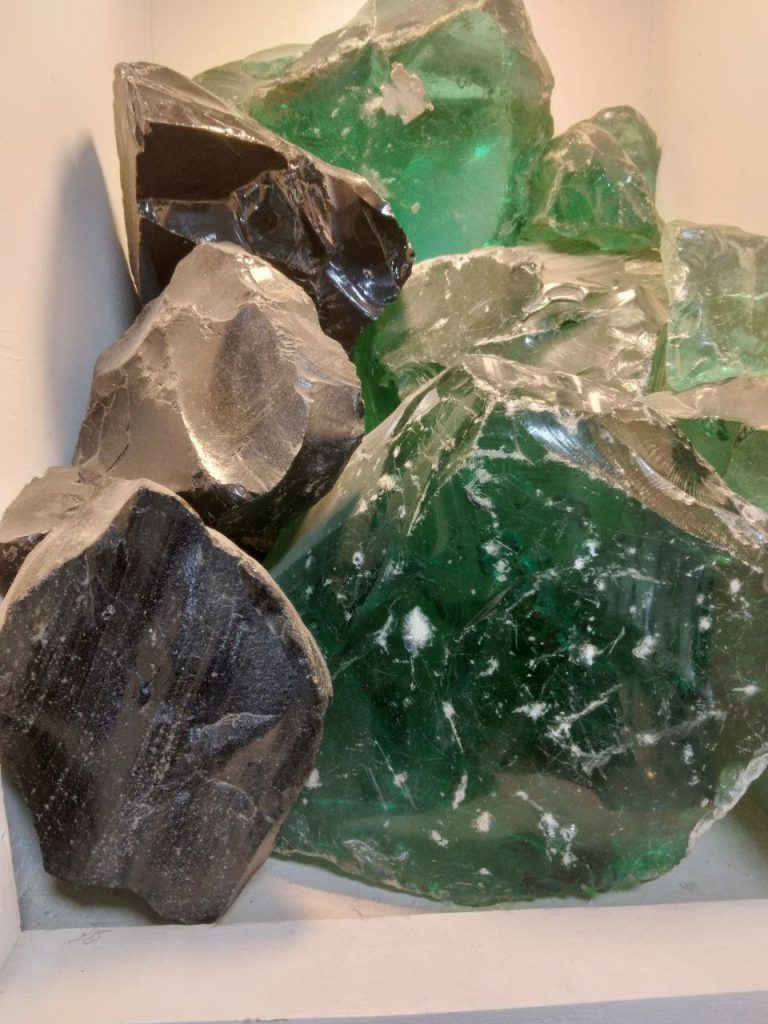
Obsidian is a naturally occurring volcanic glass formed when molten lava cools rapidly. It is known for its glossy, smooth texture and typically appears black, but it can also be found in various shades of brown, gray, and even green. Obsidian has been used for thousands of years for tools, weapons, jewelry, and ornamental objects due to its durability and unique appearance. It is also believed to have metaphysical properties, such as grounding energy and protection against negativity.